
March 31st, 2026 |
Steve Wolfe, President and Co-Founder, Beyond Earth Institute
A few years ago, I wrote an Op Ed for Space News arguing that the Commercial LEO Destination program is the singular most important initiative the United States is pursuing for a permanent human future in space. I stand by that. NASA's recent restructuring proposal and the unsettled funding picture do not change my view. If anything, it sharpens it.
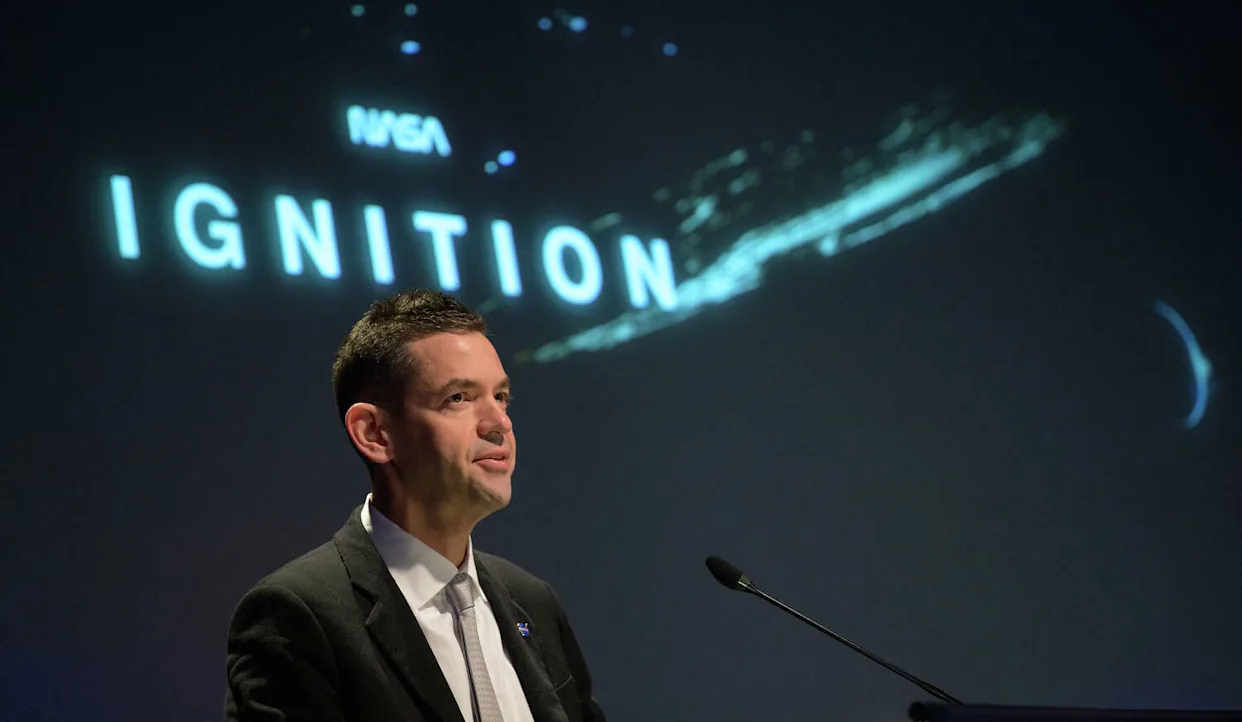
I am not saying NASA's budget pressures are imaginary. Jared Isaacman inherited a constrained fiscal environment and a program whose original Phase 2 procurement has been delayed since last summer. The frustration inside the agency is real. The instinct to restructure, to find a more defensible path to replace the ISS, is understandable. These are not the moves of an administrator who has given up on commercial LEO. They are the moves of one trying to keep a complicated program alive under difficult conditions.
But here is what I keep coming back to: does a parent abandon a child who is struggling to find their footing? A young person having difficulty starting a career, navigating early setbacks, and figuring out where they fit, we do not conclude from that difficulty that they were a bad investment. We find a way forward. We adjust. We stay in the room.
The CLD companies are not struggling because the idea was wrong. They are challenged because the environment has been extraordinarily hard—underfunded development timelines, shifting agency priorities, and a commercial LEO market that was always going to take time to develop, as every genuinely new market does. NASA's own acknowledgment that it does not yet see a self-sustaining LEO economy on the near horizon is not a verdict on the program's potential. It is an honest description of where we are in an early and necessary developmental arc.
The LEO economy is not one initiative among many. It is the platform on which everything else we want to do in space ultimately depends. From lunar operations to deep space exploration to the eventual permanent presence beyond Earth. A robust commercial LEO sector drives down access costs, builds the industrial base, develops operational expertise, and creates the economic rationale for sustained public and private investment. Abandon it now, and we will pay for that decision many times over, in ways that will not be visible until it is too late to reverse them.
I believe Jared Isaacman understands this. He has strong entrepreneurial instincts and a personal commitment to expanding the human presence in space, as evidenced by his Inspiration4 and Polaris Dawn space missions. This is not the biography of someone who wants to see this sector fail. The restructuring proposal feels like a search for a workable path, not a retreat.
So let us help find that path. And that shouldn’t be some version of ISS 2.0. Congress must hold the line on CLD funding and resist the temptation to let the program quietly shrink. NASA must give its CLD partners the clarity and commitment they need to attract private capital. And the industry has an obligation to make the case for what this sector can deliver loudly.
We must find a way. The alternative is not a responsible pivot. It is a generational mistake.
Resources: Beyond Earth Institute has been at the forefront of the conversation on the CLD program, convening webinars and live sessions on the subject, and producing three policy papers on commercial space stations. The policy papers include:
Research Papers
Beyond Earth Symposium Panels
Beyond Earth Webinars