
April 26th, 2026 |
by Steve Wolfe, President & Cofounder, Beyond Earth Institute
In a SpaceNews op-ed earlier this month, I applauded NASA Administrator Jared Isaacman's announcement of a moon base program — while flagging the conspicuous absence of any commitment to developing a lunar-based economy.
That concern now looks almost quaint.
In a head-spinning turn, Isaacman has apparently been ordered to direct NASA's full attention and resources toward the Artemis program and permanent lunar surface operations, to the near exclusion of everything else. This is shortsighted in the extreme, and it must not stand.
Let us be clear: though Beyond Earth has long championed a moonbase, we cannot support the White House's FY2027 budget request for NASA — a full 23% cut from FY2026.
Last year, NASA was rocked by upheaval: a dramatic reduction in force, the departure of irreplaceable people, and the gutting of critical research programs. All of this has already taken a serious toll on the agency and on the science we will desperately need to sustain long-duration human presence beyond Earth — on the Moon and, ultimately, on Mars. Congress is expected to push back (the Senate Commerce Committee is already recommending a 2.5% increase for FY2027), but it is deeply troubling that the same administration championing lunar ambitions is the one demanding deep cuts.
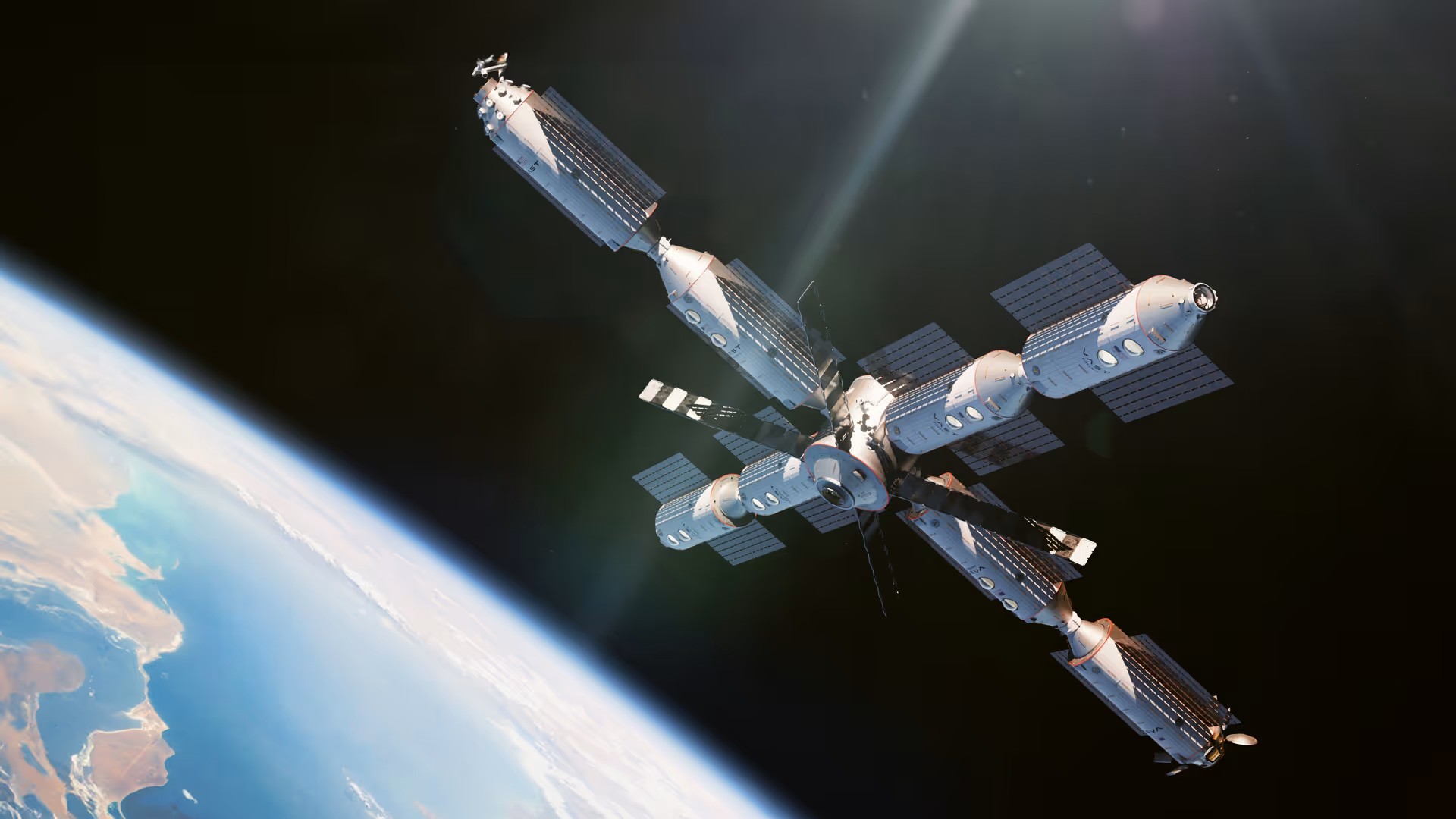
The damage to research funding is real and serious, but I want to focus on one particular casualty: the ongoing confusion around the Commercial LEO Destinations program. Isaacman has been saying that “NASA can’t force a LEO economy.” That may be true, but they should damn well be making the attempt, in partnership with Commerce and the FAA.
You see, I believe NASA has it backward. The CLD space stations are not being built to perpetuate NASA's own microgravity research programs. The CLD program exists to create a thriving LEO economy, one that will provide NASA a rich menu of orbital platforms on which to conduct its research. Retreating to a Core Module Concept to serve the narrow needs of NASA microgravity research program is a path leading nowhere.
A lunar base is not worth sacrificing a LEO economy. Full stop. This cannot be an either-or choice.
Both programs carry costs, but neither is exorbitant against the backdrop of the national budget — and neither comes close to the cost of surrendering U.S. leadership in the commercial development of space. If this administration does not yet grasp that space is the next great arena of economic development, it urgently needs to be made to understand that fact.
Taken together, a commitment to both a LEO economy and a lunar base is well within what this nation can — and should — bear. Side by side, these two programs fire the imagination like almost nothing else our government invests in. NASA's budget should not be cut by 23%; it should be raised by 23%.
And I firmly believe Americans would embrace that increase. The excitement, the possibility, and the very real value that space development returns to life on Earth will far outlast any griping from opportunistic commentators. The future we are building will repay us — and the world — many times over. But that future requires action now.
Therefore, the Beyond Earth Institute's position is that, at a minimum, NASA be fully funded in FY 2027 at levels above FY 2026, and that both the lunar base and the LEO economy remain national priorities.